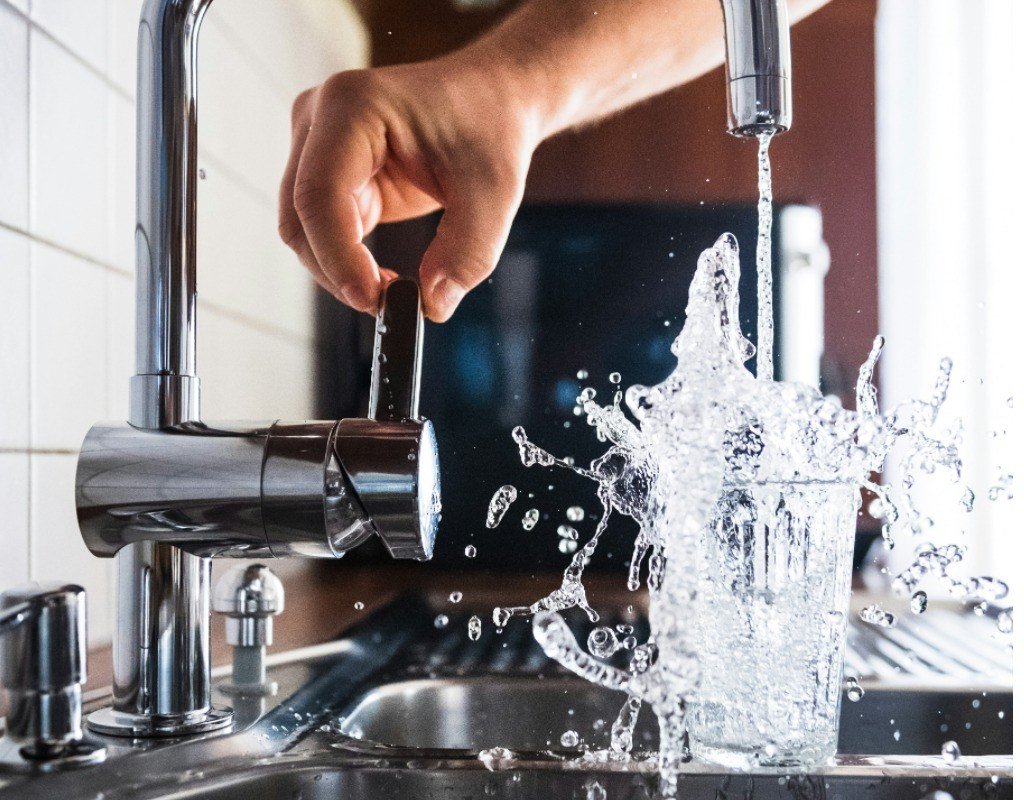
When faced with a dripping kitchen tap, you can easily take action to resolve the issue yourself. Start by identifying the leak’s source, which might include worn washers or O-rings. Next, gather essential tools like an adjustable wrench and screwdrivers. Make certain you’ve turned off the water supply before removing any components. Replace the damaged parts and securely reassemble the faucet. Understanding these steps will lead to effective repair, but there’s more to reflect on for a thorough solution.
Key Takeaways
- Identify the leak’s cause by checking worn-out washers, corroded O-rings, or loose connections before starting any repairs.
- Gather essential tools like an adjustable wrench, screwdriver set, and replacement washers or O-rings for a smooth repair process.
- Turn off the water supply by locating and closing the shut-off valves under the sink to prevent leaks during repair work.
- Replace faulty washers or O-rings by removing old ones carefully and using matching materials to ensure a proper fit and seal.
- Reassemble the faucet securely, turn the water supply back on, and test for leaks to confirm successful repairs.
Identify the Cause of the Leak
To successfully fix a dripping kitchen tap, you must first identify the cause of the leak. Leaks can stem from various components within the tap.
To fix a dripping kitchen tap, start by identifying the leak’s cause, as it can arise from several components.
Consider the following potential causes:
- Worn-out washers: These can erode over time, leading to leaks.
- Corroded or damaged O-rings: These seals can break down and fail to prevent water from escaping.
- Faulty cartridge: In cartridge-style taps, a failing cartridge can cause consistent dripping.
- Loose connections: Check the fittings to see if they’re properly tightened.
Be thorough during your inspection. Turn off the water supply, check for visible damage, and listen closely to the tap.
Identifying the cause clearly will guide your repair efforts effectively.
Gather the Necessary Tools and Materials
Before beginning your repair, you need to gather the necessary tools and materials to guarantee a successful fix.
Having the right equipment on hand will streamline the process and help avoid delays.
Here’s a list of essential items you’ll need:
- Adjustable wrench: This tool allows you to loosen or tighten the nuts and fittings on the tap.
- Screwdriver set: A variety of screwdrivers will help you access different screw types and sizes.
- Replacement washers or O-rings: These components are often the cause of leaks and should be replaced during repairs.
Turn Off the Water Supply
Once you’ve gathered your tools and materials, turning off the water supply will prevent any unexpected leaks during your repair.
Turning off the water supply is essential to avoid unexpected leaks while making repairs.
Locate the shut-off valves under the sink. These are typically connected to the hot and cold water lines.
Follow these steps:
- Turn the valves clockwise to shut them off.
- If you can’t access these valves, shut off the main water supply for your home.
- Verify all taps in the house are closed to relieve pressure in the pipes.
- If you’re using the main valve, check for specific instructions, as some systems may differ.
Confirm that the water supply is off by turning on the tap; no water should come out.
Replace Faulty Washers or O-Rings
As you disassemble the tap, it’s vital to inspect the washers and O-rings, which often wear down and cause leaks.
These components are essential for a proper seal, and replacing them can stop the dripping. Start by removing the old washers or O-rings carefully, taking note of their size and shape to guarantee you purchase the correct replacements.
Consider these points when replacing washers or O-rings:
- Use the same material type for durability and compatibility.
- Verify the new components fit snugly without excessive force.
- Lubricate the O-rings lightly with plumber’s grease to enhance sealing.
Reassemble and Test the Faucet
With the washers or O-rings replaced, it’s time to reassemble your faucet. Follow these steps carefully to guarantee proper assembly:
- Align any components in their original positions.
- Hand-tighten screws and bolts to secure parts together.
- If applicable, replace any decorative caps.
- Make sure all parts are fitted snugly to avoid leaks.
Next, turn the water supply back on. Open the faucet gently to check for any leaks. If you notice dripping, turn off the water supply and double-check the assembly process.
Test both hot and cold water settings to guarantee proper function. Once satisfied with the operation, clean up the workspace. Confirm everything is securely in place before using your faucet regularly.
Conclusion
To sum up, fixing a dripping kitchen tap can be a straightforward task. By following these steps, you can restore functionality and prevent further water waste. Make sure you complete each step methodically:
- Identify the leak’s source.
- Gather necessary tools.
- Shut off the water supply.
- Replace worn parts.
- Reassemble the faucet, and test it for leaks.
With careful attention to detail, you can effectively eliminate leaks and enhance the longevity of your kitchen tap.
