Low water pressure in your home can stem from several common issues. Key factors include:
- Clogged pipes that hinder flow
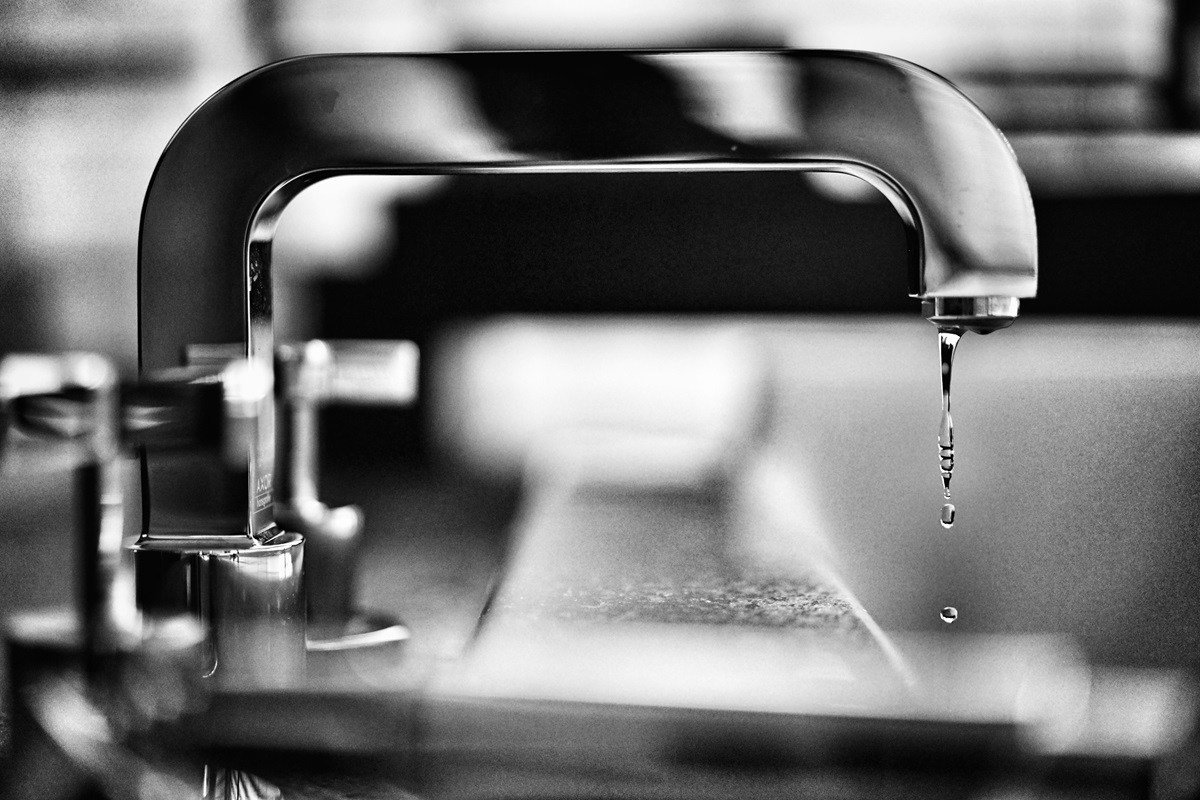
- Leaky faucets wasting water
- Faulty pressure regulators affecting delivery
- Municipal supply discrepancies
- Pipe corrosion limiting output
- Improperly sized pipes for your system
These issues can lead to significant inconveniences and require attention. Understanding the root causes can help you address water pressure problems effectively. What steps can you take to resolve these issues?
Key Takeaways
- Clogged pipes from debris or mineral buildup restrict water flow, leading to low pressure.
- Leaky faucets and fixtures waste water and can lower overall pressure in the system.
- Sediment buildup in water heaters reduces capacity and flow, impacting pressure.
- Faulty pressure regulators can cause inconsistent water pressure and sudden drops.
- Using multiple fixtures simultaneously divides available water flow, resulting in noticeable pressure drops.
Clogged Pipes
Clogged pipes can greatly reduce your home’s water pressure. This occurs when debris, mineral buildup, or grease obstructs the flow. Regular maintenance can help prevent clogs and maintain water pressure.
To address clogged pipes, consider the following steps:
- Inspect pipes for visible signs of blockage.
- Use a plumbing snake to remove persistent obstructions.
- Flush pipes with a vinegar and baking soda mixture to dissolve mineral buildup.
- Schedule regular professional inspections to clear slow drains.
Leaky Faucets and Fixtures
Leaky faucets and fixtures can greatly impact your home’s water pressure by allowing water to escape before reaching your taps. This not only wastes water but also results in decreased pressure throughout your plumbing system.
To identify if leaks are affecting your pressure, look for the following signs:
- Dripping water from taps
- Wet spots near sink or tub areas
- Lower pressure when using multiple fixtures
- Increased water bills
- Sounds of water running when taps are off
Addressing these leaks promptly will help restore your water pressure and improve the efficiency of your plumbing system.
Sealing leaks and replacing worn-out parts can prevent further issues, ensuring peak water flow and reducing waste in your home.
Faulty Pressure Regulators
Pressure regulators play an essential role in managing water flow throughout your home. They help maintain consistent water pressure, guaranteeing proper functioning of your plumbing system.
When these regulators fail, you might experience low water pressure. Here are some signs of a faulty regulator:
- Inconsistent water pressure
- Sudden drops in pressure during use
- Unusual noises, like whistling or hissing
To address this issue, first, check the regulator for any visible damage or corrosion. If you notice problems, it may need adjustment or replacement.
Inspect the regulator for damage or corrosion; if found, it may require adjustment or replacement.
It’s vital to use the correct type and size of pressure regulator for your home’s specific requirements to guarantee peak performance. Proper maintenance of your pressure regulator can prevent low water pressure and prolong its lifespan.
Municipal Supply Issues
When municipal water supply issues arise, your home’s water pressure can decrease considerably. These problems may stem from various factors, often outside your control. Understanding these causes can help you identify the issue.
Common municipal water supply problems include:
- System repairs or maintenance
- Natural disasters affecting water delivery
- Increased demand during peak usage times
- Water main breaks or leaks
- Seasonal fluctuations, such as drought
If you experience low water pressure and suspect municipal supply issues, it’s essential to contact your local water authority. They can provide information about ongoing problems or disruptions in your area.
This will enable you to determine if the issue is temporary or requires further investigation on your part.
Pipe Corrosion
Corrosion in your home’s plumbing pipes can greatly impact water quality and pressure. Over time, metal pipes can rust, weakening their structure.
This can lead to the following issues:
- Decreased water flow, causing low pressure.
- Leaks that may cause water damage.
- Contaminated water due to rust particles.
Common materials that corrode include galvanized steel and copper. If you notice brown or discolored water, it might indicate corrosion.
Regular inspections and maintenance can help detect these issues early. Professional plumbers often recommend replacing corroded pipes with more durable materials, such as PVC or PEX.
Monitoring your water pressure and quality is essential. Addressing corrosion promptly can maintain a safe and efficient plumbing system in your home.
Sediment Build-Up
Sediment build-up in your pipes can greatly reduce water pressure.
This accumulation typically occurs due to minerals in your water supply and can lead to various symptoms, such as slow faucets and reduced shower flow.
To prevent issues, regular maintenance, including flushing your systems, is essential.
Causes of Sediment Build-Up
Several factors contribute to sediment build-up in your plumbing system. Understanding these causes can help you maintain better water pressure.
The most common contributors are:
- Hard Water: Minerals like calcium and magnesium accumulate over time.
- Pipe Corrosion: Rust from aging pipes reduces water flow efficiency.
- Debris: Soil, sand, and other particles can enter your plumbing during repairs or system changes.
- Water Heater Issues: Sediment can settle in your water heater, affecting the entire system.
- Improper Filtration: A lack of adequate filtration allows particles to move through your water supply.
Symptoms of Low Pressure
You might notice specific signs indicating low water pressure due to sediment build-up in your plumbing system.
Common symptoms include:
- Weak water flow from faucets and showerheads.
- Longer fill times for bathtubs or sinks.
- Inconsistent water pressure during use, especially when multiple fixtures are in operation.
- Frequent clogging of aerators in faucets, necessitating regular cleaning.
- Discolored or murky water after turning on taps.
If you experience these issues, it may indicate sediment accumulation impacting your plumbing’s efficiency.
Regular monitoring is essential to detect any changes in water pressure. Addressing these symptoms promptly can help prevent further plumbing complications, maintaining your water flow and overall efficiency.
Prevention and Maintenance Tips
To guarantee your plumbing system remains efficient and free from sediment build-up, regular maintenance is essential.
Taking proactive steps can prevent future water pressure issues. Here are key practices to reflect on:
- Flush your water heater annually to remove sediment accumulation.
- Inspect and clean faucet aerators regularly to avoid blockage.
- Check for leaks in pipes and fixtures that may affect pressure.
- Install a water softener if hard water is affecting your system.
- Test water pressure periodically to monitor system health.
Improperly Sized Pipes
When pipes are improperly sized, you may face significant water pressure issues.
Inadequate diameter can restrict flow, especially in older plumbing systems.
Additionally, the quality and age of the materials used in your pipes can further affect performance, leading to frequent problems.
Pipe Diameter Implications
Improperly sized pipes greatly affect water pressure in a plumbing system. When the diameter of your pipes is too small for the water flow required, it can lead to a significant decrease in pressure.
Here are some implications of using incorrectly sized pipes:
- Restricted water flow can cause inadequate supply to fixtures.
- Increased resistance leads to pressure drops throughout the system.
- Small diameter pipes can create difficulties for larger appliances.
- Water demand exceeding pipe capacity may result in intermittent flow.
- Maintenance costs may rise due to potential leaks or blockages.
To guarantee efficient plumbing performance, it’s essential to use the right pipe diameter based on your home’s specific water needs.
Always consult professionals to determine the proper sizing for your system.
Age of Plumbing
Older plumbing systems often incorporate pipes that may not meet current standards for size and material.
If your home has outdated plumbing, you might experience low water pressure due to improperly sized pipes.
This issue can arise from several factors:
- Pipe diameter: Small pipes restrict water flow.
- Design: Poor layout can lead to inadequate pressure.
- Age: Over time, pipes can accumulate scale and residue.
Current plumbing codes require specific pipe sizes for ideal flow:
- Residential supply lines should be at least 3/4 inch in diameter.
- Main service lines often need to be 1 inch or larger.
If your plumbing system doesn’t conform to these guidelines, it’s advisable to think about upgrading to improve your water pressure effectively.
Material Quality Impact
The quality of materials used in plumbing systems greatly influences water pressure. Improperly sized pipes can restrict flow, leading to low pressure throughout your home. It’s important to use the right diameter and material to avoid these issues.
Consider these key points regarding improperly sized pipes:
- Pipe Diameter: Smaller diameters can reduce water flow considerably.
- Material Integrity: Poor-quality materials may corrode or collapse.
- Length of Pipe Runs: Longer runs can introduce friction loss.
- Joint Configuration: Too many bends or fittings can restrict flow.
- Pressure Rating: Verify pipes meet the necessary pressure standards.
Addressing these aspects will help maintain adequate water pressure and guarantee an efficient plumbing system. Regular inspections and appropriate material choices are crucial.
Water-Saving Fixtures
Water-saving fixtures play an essential role in managing household water pressure while promoting conservation.
These fixtures are designed to reduce water flow without sacrificing performance. Common types include:
- Low-flow showerheads: These use 2.5 gallons per minute or less, adhering to federal regulations.
- Faucet aerators: They can decrease flow rates to 1.5 gallons per minute for sinks.
- Dual-flush toilets: These allow users to choose between a high or low flush, saving significant gallons of water.
Multiple Outlets in Use
When you use multiple outlets simultaneously, it can considerably impact your water pressure.
Each fixture draws from the same supply lines, leading to reduced pressure due to decreased flow rates.
Understanding how pipe pressure reduction occurs and the design considerations of fixtures can help you manage your water supply more effectively.
Simultaneous Usage Impact
Using multiple outlets simultaneously can noticeably reduce water pressure in residential plumbing systems.
When you turn on various fixtures like faucets or showers at the same time, the available water flow is divided among them. This can lead to a noticeable decrease in pressure.
Here are some factors that may contribute to this impact:
- Number of fixtures being used
- Size of the plumbing pipes
- Distance from the main water source
- Flow rate of individual fixtures
- Demand exceeding supply
Understanding these factors can help you manage expectations.
If you find pressure issues arising, consider limiting simultaneous usage to restore adequate flow. Properly scheduling use can enhance overall water pressure throughout your home.
Pipe Pressure Reduction
Low water pressure can stem from pipe pressure reduction when multiple outlets operate simultaneously. When several fixtures, such as faucets and showers, are used at the same time, the available water pressure is divided among them. This can lead to noticeable drops in water flow.
The following factors contribute to pipe pressure reduction:
- The diameter and length of pipes can restrict flow.
- Older plumbing systems may have buildup or leaks.
- Valve settings can impact pressure distribution.
- Water heater activity during high-demand times may further reduce pressure.
To mitigate these issues, consider staggering usage or upgrading your plumbing system for better performance.
Regular maintenance checks can also help identify potential problems early.
Fixture Design Considerations
Fixture design plays an essential role in managing water pressure, especially when multiple outlets are in use.
When using several fixtures simultaneously, specific considerations can help maintain ideal water flow. You should consider the following design aspects:
- Guarantee adequate pipe sizing to accommodate multiple fixtures.
- Use pressure-regulating valves to stabilize water pressure throughout the system.
- Choose fixtures with low-flow features to reduce overall demand.
- Position plumbing lines to minimize sharp bends and turns, which can restrict flow.
- Install dedicated supply lines for high-demand areas, like kitchens and bathrooms.
Water Heater Problems
Water heaters are essential for providing hot water in your home, but issues with these appliances can lead to low water pressure.
Water heaters are crucial for supplying hot water, but problems can cause decreased water pressure in your home.
Several factors may contribute to this problem:
- Sediment buildup: Over time, minerals can accumulate inside your water heater tank, reducing capacity and flow.
- Faulty pressure relief valve: If this valve malfunctions, it may restrict water flow, causing pressure issues.
- Leaking connections: Damaged or loose fittings can result in leaks, decreasing overall pressure.
- Temperature settings: Setting the temperature too high may cause the heater to work inefficiently.
To resolve these issues, regularly flush your water heater, check connections, and adjust settings as needed.
If problems persist, consult a professional plumber for assessment and repairs.
Conclusion
In conclusion, low water pressure can stem from various issues around your home. It’s important to investigate the root causes, such as clogged pipes, leaky fixtures, or problems with your pressure regulator. Regular maintenance and timely repairs can greatly improve your water pressure. To guarantee efficient water flow, consider the following actions:
- Inspect for leaks regularly.
- Clean or replace clogged fixtures.
- Consult a professional for pressure regulator assessment.
Taking these steps will help restore your water pressure effectively.
